
Anxiety vs Stress: How to Tell the Difference. What if what you keep calling stress doesn’t go away when the stressful situation ends?
You finish the project. The hard conversation is over. The appointment you dreaded has come and gone. You expect your body to exhale, but it doesn’t. Instead, your mind jumps to the next thing that could go wrong.
That is why anxiety vs stress can be so confusing. The two can look alike from the outside and feel almost identical inside your body, and both can disrupt sleep, focus, patience, appetite, and energy. The difference usually shows up in what set the feeling off, how long it lasts, and what happens when the situation changes.
At Inspirational Behavioral Healing (IBH), noticing those patterns is often the first step. You don’t need to arrive knowing which label fits. A better starting question is: what happens to me before, during, and after I feel this way?
What Is the Difference Between Stress and Anxiety?
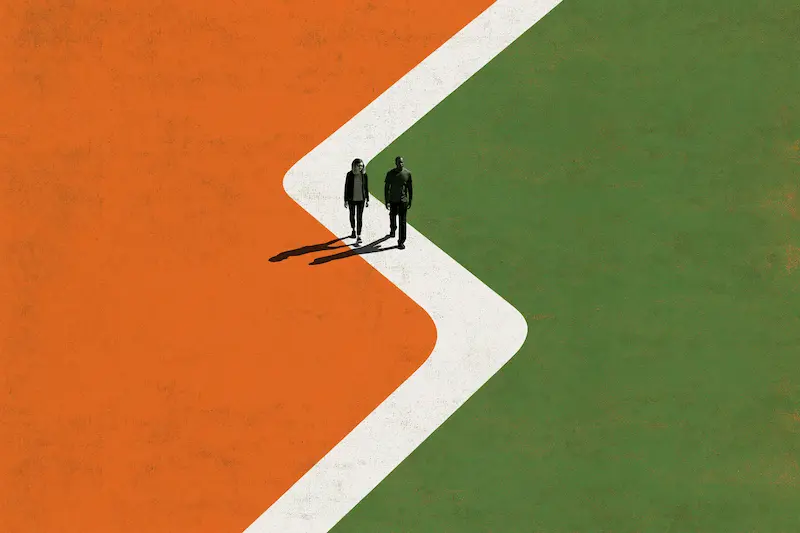
The short answer: stress is usually a response to an identifiable pressure and tends to ease when that pressure does. Anxiety involves persistent worry that can continue even when there is no immediate threat. They can also happen at the same time.
The National Institute of Mental Health (NIMH) describes stress as a physical or mental response to an external cause, which may be short-lived or ongoing. The American Psychological Association (APA) describes anxiety as persistent, excessive worry that can remain after the original stressor is gone.
Stress | Anxiety |
Often tied to an identifiable stressor | May continue without an immediate threat |
Often eases when the situation changes | Worry may persist or shift to a new concern |
Can be short-term or chronic | Can become persistent and hard to control |
Usually proportional to a specific demand | May feel bigger than the situation warrants |
Picture a big presentation on Friday. You think about it all week, your shoulders tighten, and you sleep badly Thursday night. Then it’s over, and by evening you can finally breathe. That pattern looks a lot like stress.
Now picture the same presentation, but the relief never comes. Your mind moves on to Monday’s meeting, then money, then your health, then whether you forgot something important. The situation changed, but your sense of danger didn’t. That is where anxiety often starts to look different.
Stress vs Anxiety Symptoms: Why Do They Feel So Similar?
Mixing them up is normal, because your body doesn’t label its reactions. Both stress and anxiety can activate the same alarm system, so the physical experience overlaps a great deal.
Symptoms Stress and Anxiety Can Share
- Muscle tension, especially in the jaw, neck, and shoulders
- Trouble falling or staying asleep
- Irritability
- Fatigue
- Difficulty concentrating
- Headaches
- Digestive discomfort
- Feeling restless or on edge
Both NIMH and the APA list these overlapping symptoms. No single one settles the question. A racing heart doesn’t automatically mean anxiety, and a week of bad sleep doesn’t automatically mean stress.
Signs That May Point More Toward Anxiety
These are not a diagnosis, but they are worth noticing:
- Worry that feels hard to control
- Fear even when nothing immediate is wrong
- Recurring “what if” thinking
- Avoiding places, tasks, or conversations to escape the feeling
So the more useful question isn’t “which symptom do I have?” but “what pattern does it follow?”
How to Tell If You Have Stress or Anxiety
You don’t need a diagnostic checklist. Slow the experience down and look at four things: source, duration, pattern, and impact. Together they tell you far more than any single symptom.
- Source: Can You Identify What Is Causing It?
Ask yourself: what am I reacting to right now?
Sometimes the answer is clear: a deadline, financial pressure, family conflict, a health concern, or a major life change. When the link between pressure and reaction is obvious, that’s a first clue toward stress.
A trigger doesn’t rule out anxiety, though. Anxiety can also attach to specific situations, which is why this question is only the beginning.
- Duration: Does It Ease When the Situation Ends?
Think about the last time something stressful wrapped up. Did you feel relief? Maybe you sent the report and finally slept well, or the appointment passed and the knot in your stomach loosened.
Stress often eases when the situation becomes manageable or disappears. If the situation has changed but your body still acts as if something bad is about to happen, pay closer attention.
- Pattern: Does the Worry End or Find a New Target?
Stress tends to stay close to the problem at hand:
“I have too much to finish this week.”
“I’m worried about this bill.”
Anxiety can feel less contained:
“What if I can’t handle this?”
“What if something else goes wrong?”
“What am I forgetting?”
You solve one problem and your mind quickly finds another. Everyone worries sometimes, so a single “what if” means nothing. The signal is worry that feels like a loop you can’t easily step out of.
- Impact: Is It Starting to Interfere With Daily Life?
Intensity isn’t the only thing that matters. Impact does too.
You might still go to work every day but spend hours rehearsing conversations that used to feel routine. You might keep canceling plans because staying home feels safer, or lie in bed exhausted while your thoughts race. Look at what is happening to your sleep, concentration, work, relationships, appetite, and the activities you usually enjoy.
You don’t have to ask, “Is this bad enough?” You can ask, “Is this making my life smaller?”
Can You Have Stress and Anxiety at the Same Time?

Yes. Real life is rarely as neat as a definition.
A demanding job can create real pressure, and you can also find yourself worrying about losing it, disappointing people, or what the future holds. Your body joins the cycle too. You sleep poorly and feel more reactive the next day. Your stomach hurts, which gives you something new to worry about. You notice you’re tense and then worry about why you can’t relax.
That link between emotional distress and physical sensations is why IBH takes a whole-person approach. The practice works with anxiety, trauma, chronic stress, behavioral health, and psychosomatic symptoms, recognizing that emotional and physical experiences don’t always fit into separate boxes. For many people that feels more accurate, because stress and anxiety aren’t felt only “in the mind.”
Can Stress Turn Into Anxiety?
The honest answer is nuanced. Stress doesn’t simply become anxiety, and they aren’t just stages of one condition. But long stretches of stress can leave you depleted, and NIMH notes that ongoing difficulty managing stress may raise the risk of mental health concerns, including anxiety disorders. That doesn’t mean everyone under chronic stress will develop one.
A more useful thing to watch is change:
- The situation has calmed down, but your body is still tense.
- You used to worry about one problem, and now you worry about many.
- You’re avoiding more situations because you fear how you’ll feel.
Shifts like these are worth talking through with a mental health professional.
What Can You Do for Stress and Anxiety?
It’s tempting to think you should be able to reason your way out of it. Usually it isn’t that simple. Sometimes your mind needs support, sometimes your body needs recovery, and often both do. The goal isn’t to erase every uncomfortable feeling but to help your system recover instead of staying stuck.
Start by Naming the Stressor
If there’s something you can change, such as a workload, a commitment, or a difficult conversation you’ve been postponing, start there. If there isn’t, naming it still helps you separate what’s in your control from what isn’t.
Give Your Body a Chance to Recover
NIMH recommends basics like regular physical activity, consistent sleep and meals, relaxation or mindfulness practices, and limiting caffeine. Short breaks and slow breathing count too.
Notice Patterns Instead of Fighting Every Thought
Jot down when symptoms rise: what happened just before, what you were thinking about, and whether the feeling eased when the situation changed. Patterns are hard to see in your head and much easier on paper. If you later see a therapist, that record is a far better starting point than “I feel stressed all the time.”
Reduce Avoidance When You Can
Avoiding whatever triggers anxiety brings quick relief, but over time it can teach your mind that the thing really was dangerous. Taking small, manageable steps toward what you’ve been avoiding, ideally with support, can loosen that pattern.
When Should You Get Help for Stress or Anxiety?
You don’t need to wait for a crisis, and you don’t need to know whether it “officially” counts as stress or anxiety. Consider reaching out when:
- Symptoms persist over time
- Worry feels difficult to control
- Sleep is consistently disrupted
- Work or relationships are being affected
- You’re avoiding important activities
- Physical symptoms continue without relief
- Your usual coping strategies aren’t enough anymore
The APA suggests seeking professional support when stress or anxiety doesn’t improve with everyday coping or begins to interfere with mood or daily functioning. NIMH similarly points to persistent symptoms, avoidance, and interference with daily life.
Asking for help isn’t about having a diagnosis. It’s about recognizing that what you’re carrying is costing more energy than you want to keep giving it.
Get Personalized Support

You may have come here wanting one clear answer: is this anxiety or stress? Maybe the difference is clearer now, or maybe you recognized yourself in both. Either way, you don’t have to sort it out alone, and you don’t have to decide whether it’s “stress enough” or “anxiety enough” before asking for help.
Inspirational Behavioral Healing (IBH) offers personalized, confidential mental health support through telehealth for clients in Vermont. Working with licensed professionals, the practice looks at emotional, behavioral, and physical well-being together and gives you room to understand your own patterns instead of fitting them into a formula. Support can help you see what keeps your mind or body on alert, notice what you might miss on your own, and build strategies that fit your real life.
Frequently Asked Questions About Anxiety vs Stress
What is the main difference between stress and anxiety?
Stress is usually a response to an identifiable pressure, such as work, money, illness, or conflict, and it tends to ease when the pressure does. Anxiety involves persistent, excessive worry that can continue without an immediate threat or after the problem is resolved. The line isn’t absolute, though. Anxiety can have triggers, and stress can be intense and long-lasting, so the whole pattern matters more than one symptom.
How do I know if I have stress or anxiety?
Look at source, duration, pattern, and impact. What was happening when it started? Does the feeling ease when the situation improves? Does your worry settle, or does it move to a new concern? Is it affecting your sleep, focus, relationships, or daily choices? These observations can help you understand your experience, but they don’t replace a professional assessment.
Can stress turn into anxiety?
Not automatically. Prolonged or hard-to-manage stress can contribute to patterns of worry and emotional strain, and NIMH notes it may raise the risk of anxiety disorders. Still, most people under chronic stress don’t develop one. Pay attention to whether your usual recovery is still happening once the pressure decreases.
Can you have anxiety and stress at the same time?

Yes. You can face a genuinely stressful situation and also feel anxious about where it might lead. For example, financial strain creates real stress, while constant worry about losing your home or letting your family down adds an anxiety layer. Because the two share many symptoms, understanding how they interact is often more useful than choosing one label.
Does anxiety always have a trigger?
No. NIMH explains that anxiety can occur even when there is no current threat. But it can also form around specific situations, so having a recognizable trigger doesn’t mean it’s only stress. Look at how long the reaction lasts, how hard the worry is to control, and whether it affects what you do.
Why do stress and anxiety feel similar physically?
Both can activate the body’s response to perceived pressure or threat. That’s why either can bring muscle tension, headaches, sleep problems, digestive discomfort, fatigue, or irritability. The APA recognizes this overlap. Since one symptom rarely gives a clear answer, notice when it appears, what came before it, and whether it eases when the situation changes.
When should I talk to a mental health professional?
Whenever stress or anxiety feels hard to manage. You don’t have to wait for a crisis. It’s especially worth it when symptoms last, disrupt sleep, interfere with work or relationships, or lead you to avoid important things. A therapist can help you explore what’s happening without expecting you to diagnose yourself first.
This article is for educational purposes and isn’t a substitute for professional diagnosis or treatment. If you’re in crisis or thinking about harming yourself, call or text 988 (Suicide & Crisis Lifeline) or call 911.